The Art of the Traditional Luxury Cottage: Designing with Timeless Charm
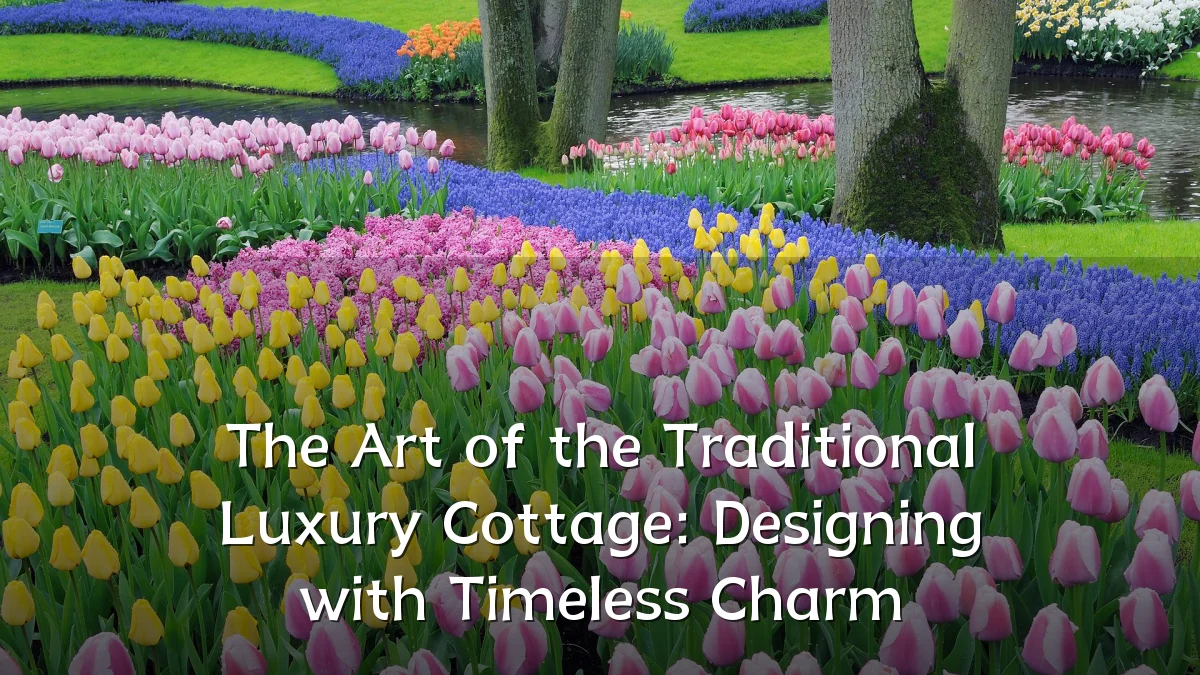
Across property markets in established countryside and coastal regions, a distinct shift is emerging among discerning buyers and renovators: a preference for the authentic over the ostentatious. The traditional luxury cottage, once considered a quiet segment of heritage real estate, is now drawing renewed attention as a design ideal that prioritizes character, proportion, and a sense of place over square footage or modernist spectacle.
Recent Trends in Cottage Design and Demand
Over the past several seasons, design professionals report a measurable uptick in requests for features that echo historic vernaculars. The focus has moved away from fully open-plan layouts toward more defined, intimate spaces that respect the original floor plans of older structures.

- Material authenticity: Reclaimed local stone, hand-split oak beams, and lime-based plasters are preferred over synthetic replicas, even where budgets allow for new construction.
- Proportional windows: Smaller, multipaned casement windows are being reinstated in renovations, often chosen to match the facade's original rhythm rather than to maximize glass surface.
- Layered interiors: Designers are specifying period-appropriate wall finishes (such as distemper or limewash) and bespoke joinery that echoes regional cabinetmaking traditions.
- Gardens as rooms: Outdoor spaces are being treated as extensions of the cottage's interior, with pleached hedges, gravel paths, and traditional kitchen gardens replacing minimalist landscaping.
Background: The Enduring Appeal of the Vernacular Cottage
The concept of the luxury cottage draws on a deep architectural heritage that varies by region, from Cotswold stone and thatch to New England clapboard and shingle. In the late 20th century, many such properties underwent renovations that prioritized modern convenience at the cost of original character, stripping out fireplaces, lowering ceilings with drywall, or replacing narrow floorboards with wide planks. Current design thinking, however, has moved toward a conservation-minded approach that values the cottage's original "bone structure" as an irreplaceable asset. This is not a revival of rustic simplicity but a refined practice of preserving the patina and irregularities that mass production cannot replicate.

User Concerns: Balancing Heritage with Modern Living
Homeowners and buyers navigating this niche face a recurring set of practical challenges that require careful trade-offs.
- Energy performance vs. fabric preservation: Retrofitting insulation in solid-wall cottages often conflicts with maintaining the breathability of historic materials. Solutions typically require a case-by-case assessment using natural insulation and vapor-permeable finishes.
- Service integration: Concealing modern wiring, plumbing, and HVAC within narrow wall cavities and low floor voids demands careful planning to avoid damaging historic fabric.
- Furniture scale: Low ceilings and small rooms common to traditional cottages can make standard contemporary furniture feel oversized. Custom or antique pieces are frequently necessary.
- Local regulations: In many jurisdictions, heritage designations or conservation area rules restrict external alterations, window replacements, and even paint colors, making advance due diligence essential.
Likely Impact on the Market and Craft Trades
The sustained demand for traditional luxury cottages is expected to exert several measurable effects in the coming years. Property values for authentically restored cottages in desirable settings are likely to hold steady or appreciate relative to modern equivalents, as the supply of truly unaltered historic structures continues to diminish. Concurrently, specialist trades—stonemasons, thatchers, joiners specializing in sash windows, and plasterers skilled in traditional techniques—are seeing growing demand and, in some regions, lengthening lead times. This trend may also influence new-build developers, a segment that has begun to offer "cottage-style" homes incorporating traditional proportions and materials, though market reception depends heavily on execution and attention to detail.
What to Watch Next
Several developments bear monitoring for those engaged with this design segment. The availability and cost of authentic reclaimed materials, especially large-section timber and region-specific stone, will influence project timelines and budgets. Changes to building regulations regarding energy efficiency and heritage exemptions could alter the feasibility of certain restoration approaches. Additionally, the growing interest in local sourcing and low-embodied-carbon materials may further align mainstream construction practices with the traditional cottage's inherent reliance on local resources. Finally, how designers and homeowners navigate the tension between photographic "curated" aesthetics and practical, lived-in comfort will likely define the next wave of cottage design philosophy.