Charming Traditional Vacation Cottages That Feel Like a Step Back in Time
Recent Trends
A growing number of travelers are seeking accommodations that offer a deliberate departure from homogenized modern interiors. Instead of sleek hotel chains, they are booking centuries-old stone cottages, timber-framed lodges, and thatched-roof retreats that retain original features such as exposed beams, inglenook fireplaces, and narrow staircases.
- Interest in “slow travel” and heritage tourism has pushed demand for properties that preserve regional building techniques and local materials.
- Platforms specializing in historic rentals report higher occupancy rates for cottages with minimal contemporary renovation compared to fully modernized alternatives.
- Short-term rental data suggest that properties marketed as “traditional” or “historic” often command a premium of 15–30% over standard vacation homes in the same area.
Background
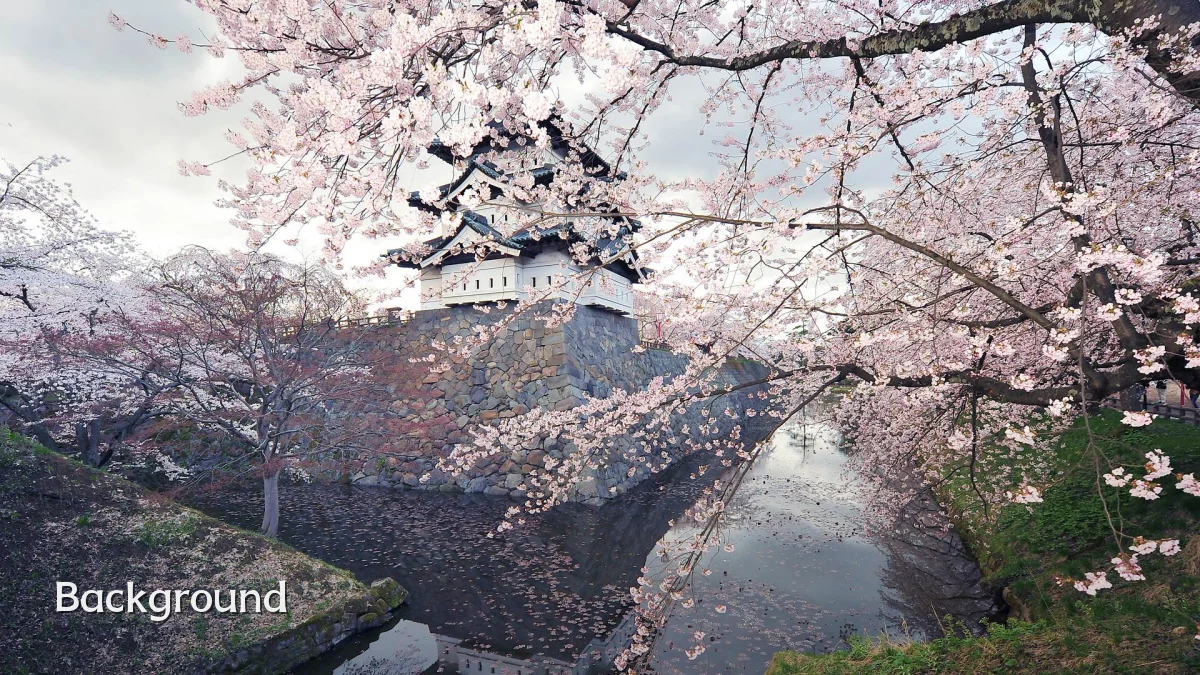
The traditional vacation cottage concept draws on a long history of rural hideaways—from English country lodges to French gîtes, Norwegian hytter, and Japanese minka. Many of these structures were originally farmhouses, granaries, or seasonal shelters that have been repurposed for leisure stays. Preservation efforts by local heritage trusts and private owners have kept the original structural elements intact, though utilities and plumbing have been updated gradually to meet modern safety codes.
Owners often face a tension between maintaining period authenticity and meeting guest expectations for reliable heating, internet access, and comfortable bedding. In many regions, zoning rules protect the exterior appearance of these buildings, preventing changes that would alter their historic character.
User Concerns
While the “step back in time” appeal is strong, guests frequently encounter practical trade-offs that real estate listings may downplay.
- Climate control: Thick stone walls keep interiors cool in summer but can feel damp and chilly in winter; some cottages lack full central heating.
- Noise and insulation: Original timber frames and single-glazed windows often admit outdoor sounds and drafts, affecting sleep quality.
- Modern amenities: Limited power outlets, small bathrooms, and narrow doorways can frustrate guests accustomed to contemporary layouts.
- Maintenance surprises: Guests occasionally encounter quirks like uneven floors, steep spiral stairs, or low doorways that are not fully disclosed in photos.
Travelers in pre-booking research increasingly look for verified reviews that discuss these trade-offs honestly, rather than relying solely on atmospheric marketing images.
Likely Impact
The sustained popularity of traditional vacation cottages is likely to influence several areas of the travel and hospitality industry.
- Increased investment in sensitive restoration—owners may focus on retaining original carpentry, lime plaster, and slate roofs while discreetly upgrading plumbing and insulation.
- Local tourism boards might promote “heritage stays” as a way to differentiate their region from nearby destinations with more standardized lodging.
- Property values for authentic historic cottages in desirable rural areas could rise, potentially displacing long-term residents if short-term rental regulations are not updated.
- Insurance premiums for unmodernized structures with thatch or timber may climb, affecting the viability of low-turnover cottage operations.
What to Watch Next
Observers should monitor how policy and market forces shape the availability of these properties over the next few seasons.
- Regulatory shifts: Some regions are considering stricter short-term rental caps or historic preservation tax credits—both could affect supply and pricing.
- Renovation standards: Watch for voluntary certification programs (e.g., “Historic Comfort” labels) that rate authenticity and livability, helping travelers make informed choices.
- Climate adaptation: Extreme weather events may accelerate requirements for flood-proofing or fire-resistant materials, potentially compromising the traditional look inside protected buildings.
- Booking behavior: If economic pressures mount, travelers may opt for lower-priced, fully modernized rentals, forcing owners of traditional cottages to recalibrate pricing or amenities.